
BizAion's published bookkeeping fees follow your company's yearly bank transaction count. The tiers are: 1–50 transactions HK$1,000 a year; 51–100 HK$2,800; 101–150 HK$3,800; 151–200 HK$4,800; 201–250 HK$5,800; and over 250, HK$8,800+ (plus HK$800 per extra 50 transactions). The fee covers day-to-day bookkeeping, tax filing support and financial housekeeping. It is a professional fee. There is no government fee for keeping books, and this page does not quote a separate profits tax return fee.
At a glance
- Fees are priced by yearly bank transactions, starting at HK$1,000 a year for 1–50 transactions.
- 51–100 HK$2,800; 101–150 HK$3,800; 151–200 HK$4,800; 201–250 HK$5,800 a year.
- Over 250 transactions: HK$8,800+ a year, plus HK$800 per extra 50 transactions.
- The published service is day-to-day bookkeeping, tax filing support and financial housekeeping.
- The yearly audit is a separate cost. This guide does not invent a profits tax return fee.
How Hong Kong bookkeeping is usually priced
There is no government fee for keeping books. The Inland Revenue Ordinance still requires every business to keep enough records, in English or Chinese, for its assessable profits to be readily worked out, and to keep them for at least 7 years. Professional bookkeeping fees mainly follow volume: how many bank transactions you have, and how tidy the records are. BizAion publishes a simple table based on the number of bank transactions in a year, so the price reflects the actual work. The full record-keeping routine is in how to do bookkeeping for a Hong Kong company. The published tiers are on the accounting and bookkeeping service page.
How to read the published fee table
Step 1: Count the year's bank transactions
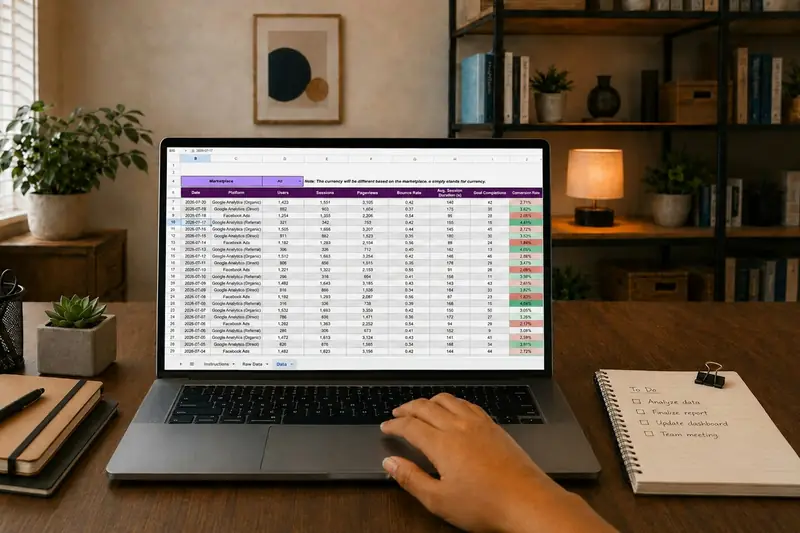
Transaction volume is read from the business bank activity that the books have to match. BizAion's table is based on bank transactions per year. That is the volume measure used on the published accounting page: fewer movements through the business account sit in a lower tier; a busier account sits in a higher one. If you are near a boundary, it is worth counting a typical year before you compare tiers. Tidy monthly records also take less time to process than a year of receipts handed over at once, even when the transaction count is the same.
Step 2: Match that count to the published tier

Each bank line should still be matched to an invoice or receipt, which is what drives the work in each tier. The published annual fees are:
Bank transactions per year Fee (HKD / year) 1–50 HK$1,000 51–100 HK$2,800 101–150 HK$3,800 151–200 HK$4,800 201–250 HK$5,800 Over 250 HK$8,800+ (plus HK$800 per extra 50) These figures are copied from the live accounting service page. They are not a new price list.
Step 3: Know what the fee is for — and what is quoted separately
Year-end books are used for the audit and the profits tax return; those are not priced as part of the transaction tiers. The published accounting service is day-to-day bookkeeping, tax filing support and financial housekeeping. The books also feed the year-end accounts that an auditor and the profits tax return will need. The guide to filing a Hong Kong profits tax return explains that process. This page does not quote a separate profits tax return fee for limited companies, because BizAion has not published one.
The yearly audit is a separate cost. Every Hong Kong company must have its financial statements audited, except a dormant company. BizAion's published audit arrangement fee starts at HK$6,000 (turnover up to HK$1 million), and the auditor quotes their own fee. See audit requirements.
Step 4: Keep the records the law already requires

Records must be kept for at least 7 years, even after a business stops trading. Whether you keep the books yourself or use a bookkeeper, the legal minimum does not change. You need books of account, the source documents behind each entry (invoices, receipts, bank statements, vouchers), and records of assets, liabilities and stock, kept for at least 7 years from the transaction date. Failing to keep sufficient records can lead to a fine of up to HK$100,000. Paper or software is acceptable if the records are complete. The IRD's guide to keeping business records (PAM 51) is linked in the sources below.
Prefer to have it done for you?
BizAion can keep your books under the published transaction-tier fees, ready for the audit and tax filing. The first consultation is free. Tell us about your company on WhatsApp and we'll quote from our published fees.
The published bookkeeping tiers
There is no government fee for keeping books. BizAion's published professional fees follow yearly bank transaction count:
| Bank transactions per year | Fee (HKD / year) |
|---|---|
| 1–50 | HK$1,000 |
| 51–100 | HK$2,800 |
| 101–150 | HK$3,800 |
| 151–200 | HK$4,800 |
| 201–250 | HK$5,800 |
| Over 250 | HK$8,800+ (plus HK$800 per extra 50) |
The audit is a separate cost, and this guide does not add a limited-company profits tax return fee. Fees above are BizAion's professional fees in HKD. Government fees, auditor's fees and other third-party costs are charged separately at cost. See the accounting service for the live table.
What usually sits outside the bookkeeping fee
Budget separately for the statutory audit (arrangement and the auditor's own fee), government tax if profits tax is payable, employer filings if you have staff, and any software you buy yourself. None of those amounts is bundled into the transaction tiers above.
Keeping the fee accurate as the business grows
If your bank transaction count moves into another published tier, the annual fee follows that tier, including the over-250 rule of HK$8,800+ plus HK$800 per extra 50 transactions. The table on the accounting service page is the published reference. This guide was reviewed against that table on 16 November 2026.
Related service: Accounting & Bookkeeping (From HK$1,000 / year). Message us on WhatsApp. The first consultation is free.
Frequently asked questions
How much does bookkeeping cost in Hong Kong?
BizAion's published fees start at HK$1,000 a year for 1–50 bank transactions, then HK$2,800, HK$3,800, HK$4,800 and HK$5,800 as the count rises in steps of 50, and HK$8,800+ a year (plus HK$800 per extra 50) if you have more than 250 transactions.
What is a 'bank transaction' for this table?
The published table is priced by bank transactions per year — the volume of movements through the business bank account that the books have to record and reconcile.
Does the bookkeeping fee include the profits tax return?
The published service includes tax filing support, but BizAion has not published a separate limited-company profits tax return fee, and this guide does not invent one. The filing process is explained in the profits tax return how-to guide.
Is the audit included?
No. The audit is a separate statutory requirement, except for a dormant company. BizAion's audit arrangement fee starts at HK$6,000 for turnover up to HK$1 million, and the auditor quotes their own fee.
Is there a government fee for bookkeeping?
No. There is a legal duty to keep sufficient records for at least 7 years, but no government fee for keeping the books.
Can I keep the books myself?
Yes. Paper or software records are acceptable if they are complete, legible and organised. Many companies still use a bookkeeper as they grow, because monthly reconciliation and a proper year-end close make the audit faster.
What if I have more than 250 bank transactions?
The published fee is HK$8,800+ a year, plus HK$800 for every extra 50 transactions.
Sources (official)
- IRD: A Guide to Keeping Business Records (PAM 51C)
- Companies Registry FAQ: Accounts and audit
- IRD: What tax obligations do I have as an employer?
- IRD: Profits Tax
This guide is general information, not professional advice. Government fees and deadlines can change, so check the official sources linked above.